
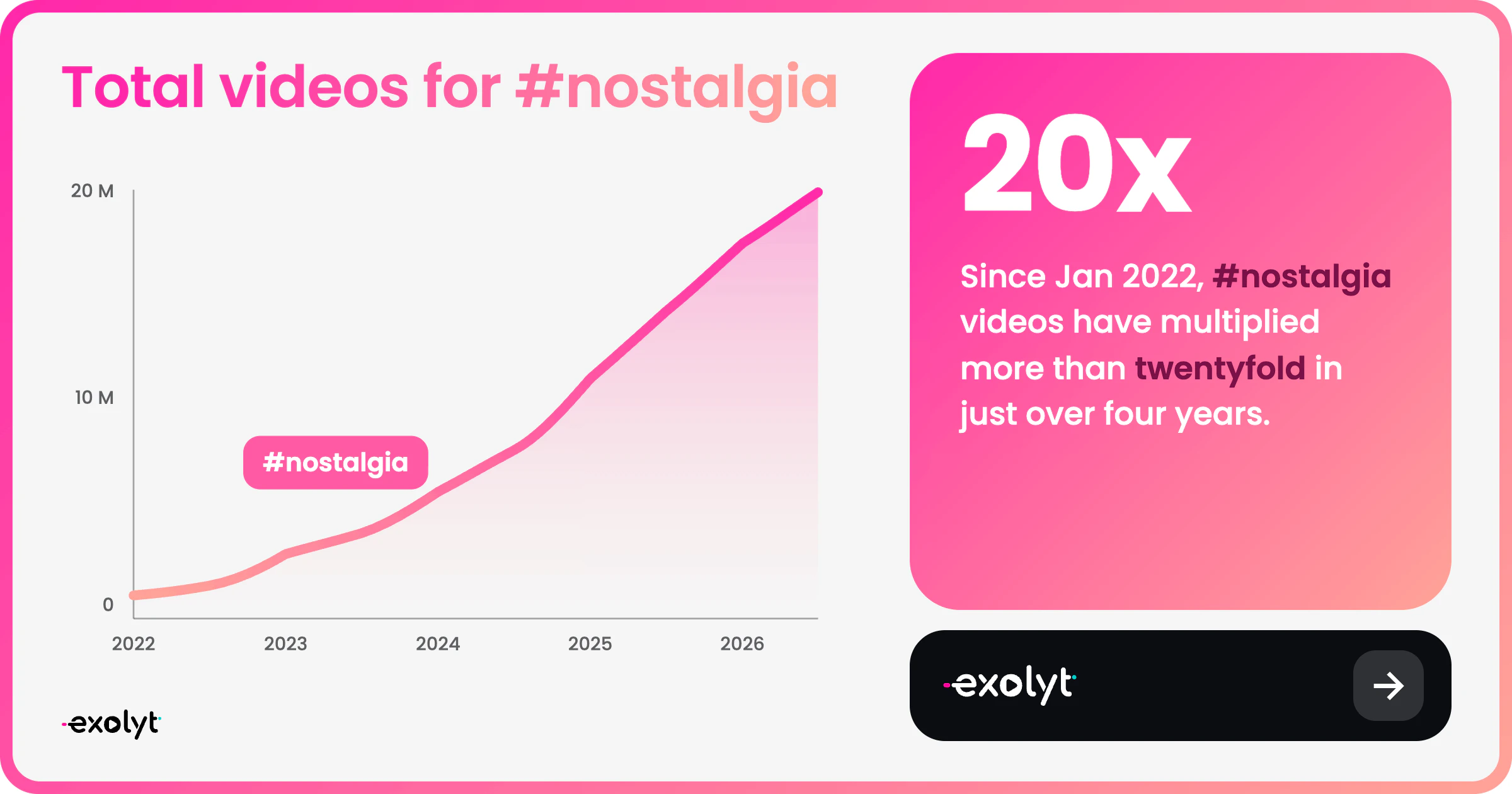
Da malattia a fenomeno culturale
Nel XVII secolo, il medico svizzero Johannes Hofer coniò un termine per indicare il doloroso desiderio di tornare a casa che i mercenari svizzeri provavano mentre prestavano servizio lontano dalla patria. Lo chiamò „nostalgia”, dal greco „nostos” (ritorno a casa) e „algos” (dolore). Nel XVIII secolo, la nostalgia era ormai diventata una diagnosi medica ufficialmente riconosciuta in tutta Europa.
Oggi la nostalgia riempie i nostri feed, guida brand grandi e piccoli e plasma il modo in cui intere generazioni si relazionano tra loro. Il passaggio da disturbo psichiatrico a superpotenza culturale rappresenta una delle riabilitazioni più straordinarie nella storia delle emozioni umane. La nostalgia è sempre più importante per chiunque cerchi di comprendere la cultura contemporanea dei consumi.
Emozione orizzontale
Quasi tutto può suscitare nostalgia. L’analisi degli hashtag su TikTok racconta una storia interessante. Esaminiamo i dati degli ultimi mesi per individuare importanti trend in atto:
- Periodo: gli hashtag risultano associati soprattutto agli anni 2000, ma sono gli anni ’90 a generare il maggior volume di video e visualizzazioni.
- Intrattenimento: il gaming è praticamente una categoria a sé, seguito da cinema, musica e star. Riguarda sia la tecnologia sia i contenuti, come il VHS e i film dell’epoca d’oro di Hollywood.
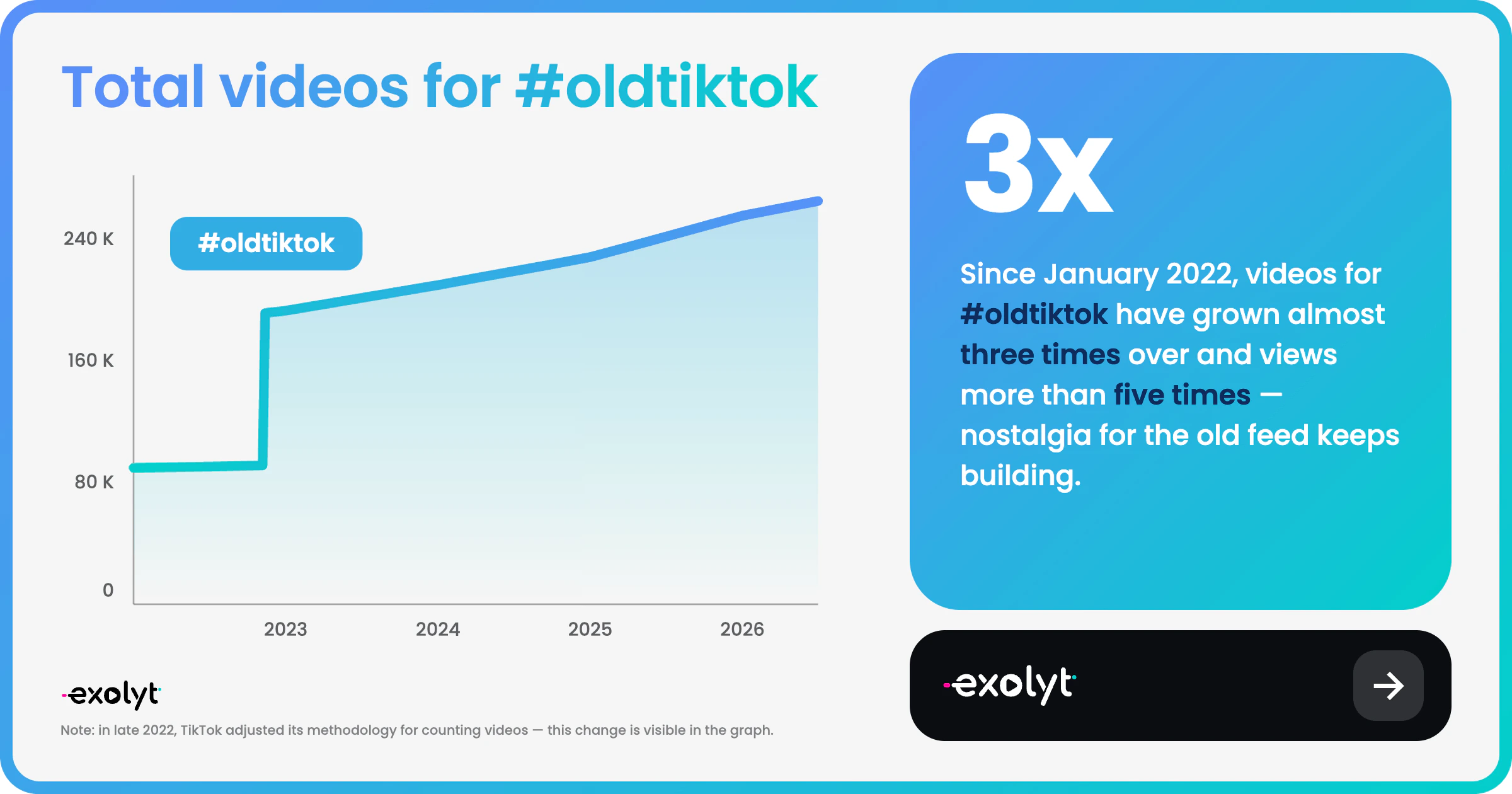
- La nostalgia in sé sta diventando un filone di contenuti a sé stante. Le persone evocano ricordi d’infanzia, «i bei vecchi tempi» o persino gli esordi di TikTok (#OldTikTok).
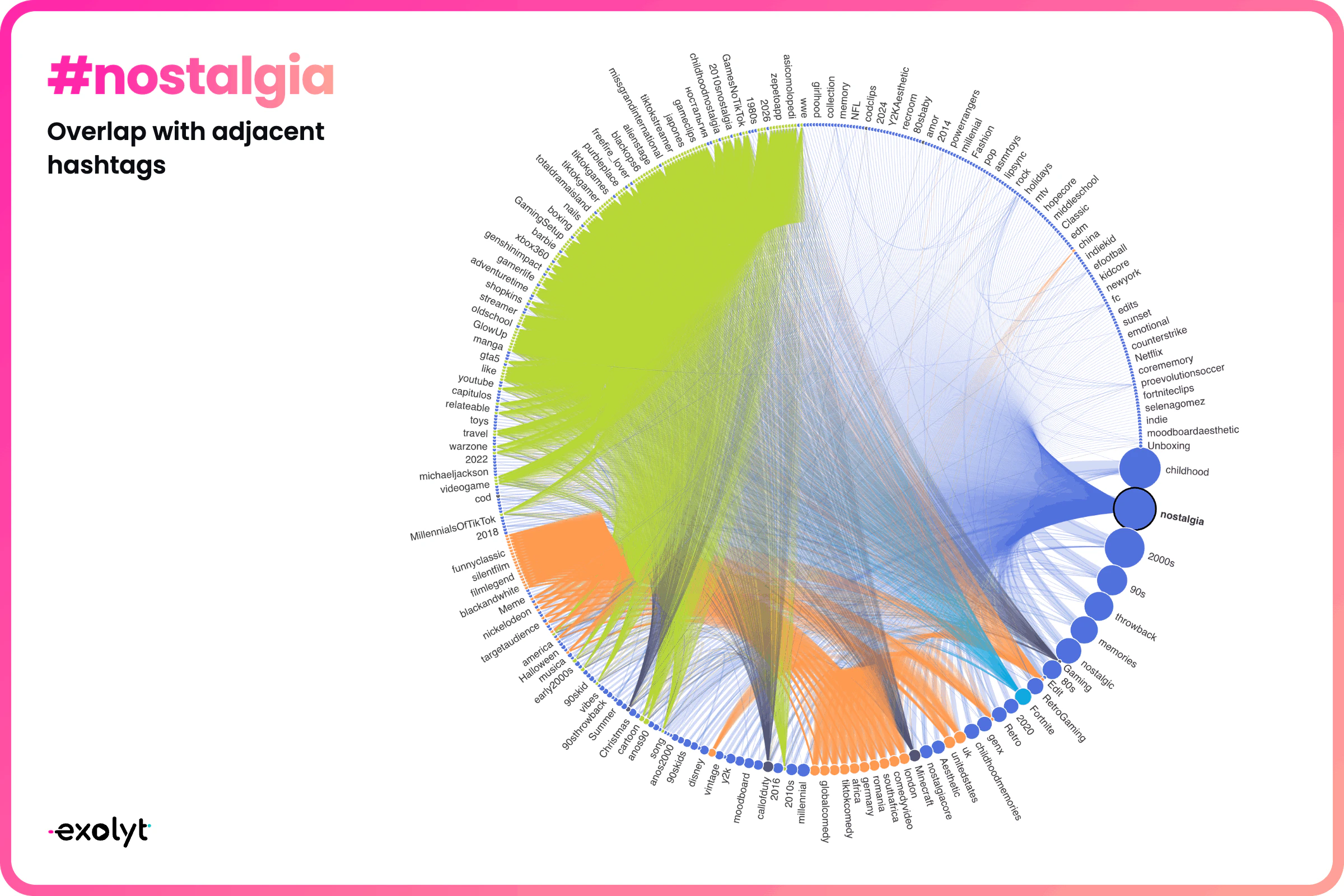
La nostalgia non è un genere. È un’infrastruttura. È trasversale alle categorie di contenuto perché le persone ricercano stati emotivi anziché oggetti specifici. Per questo emerge con costanza in community che vanno ben oltre l’intrattenimento.
L’implicazione per ricercatori e marketer è rilevante: la nostalgia non può essere monitorata in un singolo ambito della conversazione culturale. Deve essere mappata come un tessuto connettivo che sottende simultaneamente molteplici ecosistemi di contenuti.
Diretta e indiretta: ripensare cosa intendiamo per nostalgia
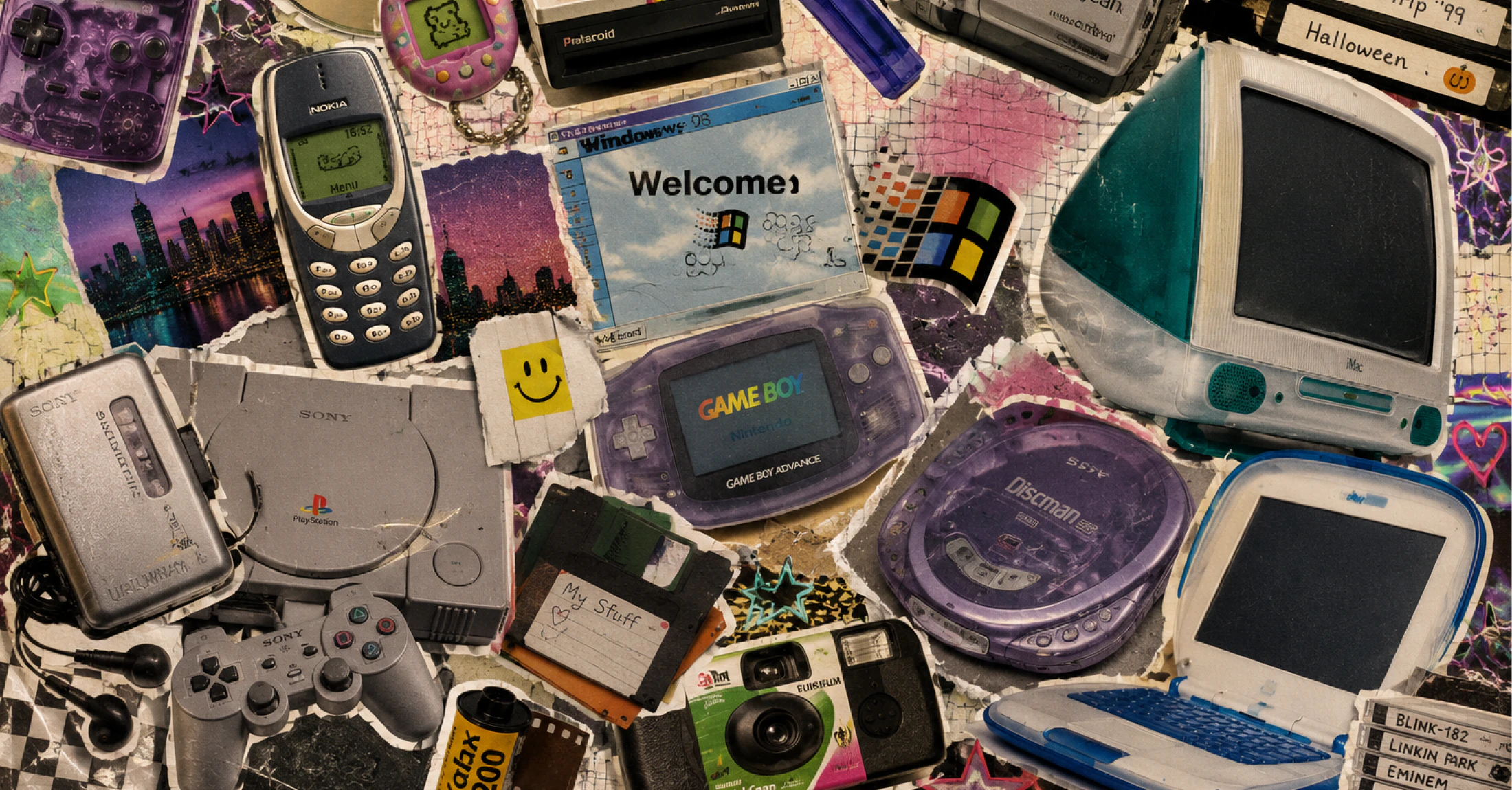
Forse il mito più persistente sulla nostalgia è che presupponga un ricordo personale. Non è così. Possiamo distinguere tra una nostalgia diretta, radicata nell’esperienza vissuta, e una nostalgia indiretta, immaginata, costruita e spesso acquisita di seconda mano. Il ritorno dei registratori a nastro tra la Gen Z, il rinnovato interesse per le vecchie fotocamere digitali da parte di chi non ha mai scattato foto senza uno smartphone, la passione per l’estetica di Internet dei primi anni Duemila tra adolescenti nati dopo che la maggior parte di quelle piattaforme aveva già raggiunto il proprio apice: nulla di tutto questo è falsa nostalgia. È una forma diversa di nostalgia, ma non per questo meno reale sul piano emotivo.
Non è solo stanchezza da tecnologia
Esiste una scorciatoia analitica piuttosto comune: equiparare la nostalgia per le tecnologie del passato alla stanchezza provocata da quelle più recenti. La tech fatigue è reale, ma spiega solo in parte ciò che sta accadendo.
Il crescente interesse per i dumbphone e la nostalgia per i telefoni a conchiglia, sempre più visibile nella cultura contemporanea, vengono talvolta interpretati come segnali di un più ampio rifiuto degli smartphone. Ma questa lettura non coglie l’aspetto più interessante. Non si rimpiange un mondo con meno tecnologia, bensì un rapporto diverso con essa: un rapporto in cui è l’utente a plasmare l’esperienza, anziché esserne plasmato.
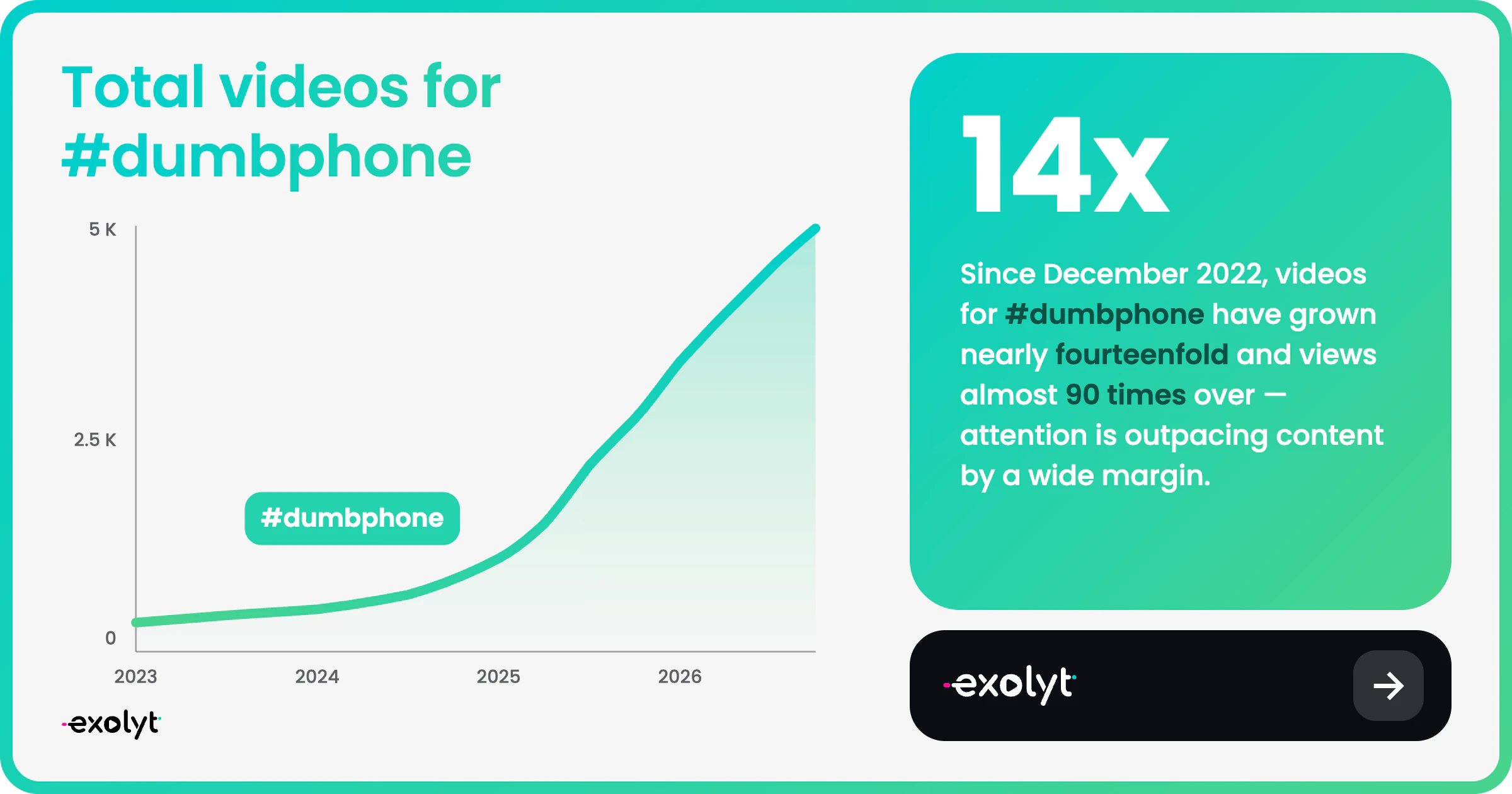
La nostalgia digitale prospera con dinamiche proprie, riaccendendo la passione per i vecchi videogiochi e ispirando nuove piattaforme social concepite nello spirito dei primi forum e, più in generale, dell’Internet pre-IA. Questo rinnovato interesse per i primi forum si riflette nella crescente importanza delle sezioni commenti su piattaforme come TikTok, dove la conversazione conta sempre più quanto i contenuti. Basta cercare «I’m #here just for comments» nel feed dei commenti.
La nostalgia non si esaurirà, ma accelererà
L’onnipresenza della nostalgia nella pubblicità viene talvolta interpretata come un segnale che il trend sia prossimo a esaurirsi. Il ragionamento è questo: quando tutti i brand adottano lo stesso registro emotivo, quel registro perde efficacia e i consumatori smettono di prestarvi attenzione.
Questo ragionamento è valido per specifici riferimenti nostalgici, ma non coglie il funzionamento della nostalgia come meccanismo. La stanchezza nei confronti dell’estetica anni Ottanta nella pubblicità non significa che le persone smettano di provare nostalgia. Significa che non provano più nostalgia per gli anni Ottanta in quella particolare forma e che l’energia emotiva si sposta verso un nuovo punto di riferimento.
I cicli della nostalgia si susseguono a un ritmo sempre più rapido. Questa accelerazione ha una causa strutturale: il rapido cambiamento tecnologico e sociale accorcia la distanza tra presente e passato. Ciò che un tempo richiedeva decenni per cristallizzarsi nella memoria culturale oggi avviene nel giro di pochi anni. Persino TikTok, una piattaforma che al momento in cui scriviamo ha appena sette anni, ha già sviluppato al proprio interno un ecosistema nostalgico incentrato sui suoi esordi. Le persone pubblicano contenuti su com’era l’esperienza su TikTok un tempo. La piattaforma è diventata autoreferenziale nella propria archeologia emotiva.
Mappa l’emozione, non solo il riferimento
La nostalgia è nata come diagnosi. È diventata un sentimento. Oggi è un ecosistema di contenuti, una strategia di prodotto e un meccanismo per il benessere: tutto questo, contemporaneamente.
Monitorare la nostalgia richiede di prestare attenzione non solo ai riferimenti espliciti a epoche o oggetti specifici, ma anche agli schemi emotivi sottostanti – senso di appartenenza, semplicità, partecipazione, connessione con gli altri – che i contenuti nostalgici esprimono davvero. L’elemento evocato in superficie cambia a ogni ciclo di trend. L’architettura emotiva sottostante rimane straordinariamente stabile.
Non assisteremo alla fine della nostalgia. Vedremo le sue nuove incarnazioni emergere più rapidamente, diffondersi su scala più ampia e creare connessioni tra comunità sempre più inattese. La nostalgia non è soltanto un’emozione rivolta al passato: è un meccanismo culturale per affrontare un cambiamento in continua accelerazione.
Questo articolo è stato curato dall’esperto di social intelligence, etnografo digitale e trendspotter Marek Tobota, fondatore di Data Tribe, boutique di consulenza strategica e ricerca con sede a Varsavia. Marek vanta una vasta esperienza nel marketing e nelle PR ed è costantemente alla ricerca di nuovi approcci alla ricerca qualitativa online. Utilizza Exolyt principalmente per condurre ricerche mirate, individuare insight unici su TikTok e analizzarne le community di nicchia. Per saperne di più su Marek e sul suo lavoro, contattalo direttamente su LinkedIn.
Svolgi attività di monitoraggio e social listening su TikTok
Prenota una demo live con il nostro product manager oppure avvia oggi la tua prova gratuita per toccare con mano i vantaggi della piattaforma.